
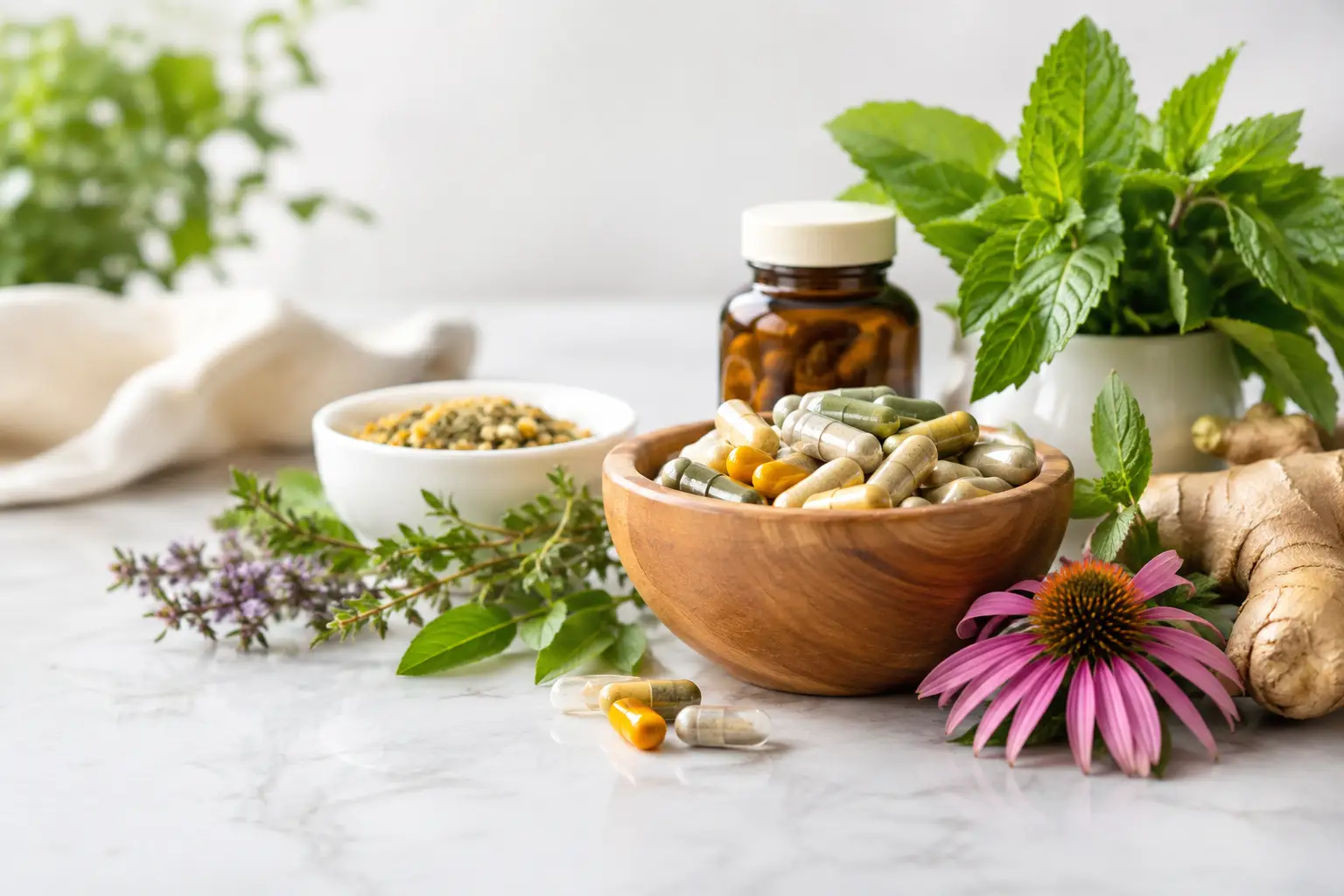
Choosing Herbal Immune Support Supplements
A crowded supplement shelf can make a simple goal feel complicated. Herbal immune support supplements are often purchased for seasonal wellness, busy travel periods, or as part of a broader self-care routine, but the right choice is not always the bottle with the longest ingredient list. A useful product should be clearly labeled, appropriate for the person taking it, and easy to use consistently.
For households, caregivers, pharmacies, and wellness buyers, the practical question is not which herb makes the biggest promise. It is whether a supplement fits the user’s health needs, current medications, budget, and daily routine. Herbs can be valuable additions to wellness habits, but they are not substitutes for medical care, prescribed treatment, sleep, nutritious food, or recommended vaccines.
What Herbal Immune Support Supplements Are Designed to Do
Immune support supplements commonly combine plant-based ingredients with nutrients such as vitamin C, vitamin D, zinc, or selenium. Some formulas focus on one herb, while others pair several botanicals in capsules, tablets, gummies, teas, syrups, powders, or liquid extracts.
The term “immune support” is broad. It does not mean a product can prevent infection, cure illness, or replace professional treatment. In practical use, these products are typically chosen to support general wellness routines, especially when people are looking to maintain healthy habits through changing seasons, work demands, school schedules, or frequent travel.
Product claims deserve a careful read. Phrases such as “supports immune health” and “promotes wellness” are different from claims that a product treats a disease. Be cautious with labels or advertisements that promise guaranteed protection, immediate results, or a cure for cold and flu symptoms. Responsible supplement buying starts with realistic expectations.
Common Herbs Found in Immune Formulas
Echinacea is one of the most familiar herbs in this category. It is often sold as a tea, capsule, tincture, or combination formula. Some people use it for short periods during seasonal changes, although product quality, species, plant part, and dosage can vary considerably.
Elderberry is another popular choice, available in syrups, gummies, lozenges, and capsules. It is often selected because it is convenient for families, but buyers should still check serving sizes, sugar content in syrups and gummies, and age guidance on the package. Raw or improperly prepared elderberry plant material should not be consumed.
Other formulas may include garlic, ginger, turmeric, astragalus, andrographis, or medicinal mushrooms such as reishi and shiitake. Each has a different history of traditional use and a different safety profile. A blend is not automatically better than a single-ingredient product. In fact, a simpler formula can make it easier to identify what you are taking and avoid ingredients that do not suit you.
How to Read the Label Before You Buy
A supplement label should help buyers make a decision quickly, not create more questions. Start with the Supplement Facts panel. It should show the serving size, the amount of each ingredient per serving, and whether the product uses an extract, powder, juice, or another form of the herb.
For extracts, labels may state a ratio, such as 10:1, or identify standardization to a specific plant compound. This information can be useful, but it is not a stand-alone measure of quality. A higher ratio does not always mean a better product, and a standardized extract is only helpful when the label clearly identifies what is being standardized.
Also check the full ingredient list for sweeteners, color additives, allergens, gelatin, and other inactive ingredients. This is particularly relevant for children, people managing diabetes, shoppers following vegetarian or halal dietary preferences, and anyone with known food sensitivities. Gummies and flavored syrups may be easier to take, but they can contain more sugar than capsules or tablets.
Choose products with a visible lot number and expiration date. Packaging should be sealed, intact, and stored as directed. Herbal products can lose quality when exposed to excessive heat, moisture, or sunlight, so proper storage matters in warm climates and busy home medicine cabinets.
Match the Format to the User
The best format is usually the one the user can take correctly and consistently. Capsules and tablets offer straightforward portion control and are easy to stock for adult household use. Liquid extracts and syrups can be useful for people who have trouble swallowing pills, although they may contain alcohol, sugar, or strong flavors.
Teas can be a comfortable option for adults who enjoy a daily ritual, but preparation and strength can vary. Powders may work well in smoothies or drinks, yet measuring errors are more likely if a scoop is not used carefully. For children, do not assume that a smaller amount of an adult supplement is appropriate. Select only products with clear age-specific directions and consult a pediatric professional when unsure.
For clinics, pharmacies, caregiving teams, and resellers, format also affects inventory planning. Fast-moving items often include single-serve lozenges, shelf-stable capsules, and clearly labeled family products. Consider shelf life, storage requirements, supplier consistency, and the needs of the intended customer group before purchasing in volume.
When Extra Caution Is Needed
Natural does not always mean risk-free. Herbal ingredients can cause side effects, trigger allergies, or interact with medications. People who take prescription medicines should speak with a pharmacist or healthcare professional before adding an herbal supplement, especially if they use blood thinners, diabetes medication, blood pressure medication, sedatives, immune-suppressing drugs, or multiple daily prescriptions.
Extra caution is also appropriate for people who are pregnant, breastfeeding, preparing for surgery, living with liver or kidney disease, or managing autoimmune conditions. Supplements that influence immune activity may not be appropriate for everyone with an autoimmune disorder or for people receiving transplant-related treatment.
Stop using a product and seek medical advice if symptoms such as rash, swelling, difficulty breathing, severe stomach upset, dizziness, or unusual changes in health occur. If a person has a high fever, shortness of breath, chest pain, dehydration, worsening symptoms, or symptoms that persist, a supplement should not delay medical evaluation.
Avoid the More-Is-Better Trap
Many shoppers already get vitamin C, vitamin D, zinc, or herbal blends from multivitamins, fortified drinks, wellness powders, and cold-season products. Taking several overlapping products can lead to unnecessarily high intake of certain nutrients. Zinc, for example, is useful in the body but can cause problems when used excessively or for extended periods.
Before adding a new product, place current supplements on the counter and compare the labels. Look for repeated ingredients, then choose the simplest routine that meets the intended need. This approach can reduce cost, avoid duplication, and make it easier to notice whether a product agrees with the user.
A short trial is often more sensible than filling a cabinet with multiple formulas. Follow the label directions, note any side effects, and reassess whether the product still has a place in the routine. If a formula is hard to take, creates digestive discomfort, or requires complicated timing, a different format or a simpler wellness plan may be more practical.
Build a Better Wellness Routine Around the Supplement
Herbal immune support supplements work best as one part of a larger routine. Regular sleep, hand hygiene, adequate fluids, balanced meals, movement, stress management, and staying current with appropriate medical guidance all have a more established role in supporting overall health than any single supplement.
For caregivers, keeping a small, organized wellness area can make everyday decisions easier. Store products out of children’s reach, separate adult and child items, retain original packaging, and check expiration dates periodically. For professional buyers, clear category organization and reliable product information help staff guide customers toward appropriate choices without overstating what supplements can do.
Tradevin FZ shoppers can look for clearly labeled herbal wellness products alongside everyday health essentials, making it easier to purchase routine care items in one order. The strongest buying decision is still a careful one: select a product with a clear purpose, a readable label, and a format that fits the person who will use it.
A supplement can be a sensible addition to a well-managed wellness routine, but it should never carry the whole plan. Start with the label, consider the person, and choose only what supports healthy daily habits without adding unnecessary risk.