Surgical Masks Versus Respirators Compared
A mask cart can look straightforward until the product is needed for a specific job. Surgical masks versus respirators is not simply a question of which option offers more protection. The right choice depends on the exposure, the setting, the person wearing it, and whether a close facial seal is required. For clinics, caregivers, pharmacies, dental teams, and household buyers, choosing by purpose helps avoid both under-protection and unnecessary cost.
Surgical Masks Versus Respirators: The Core Difference
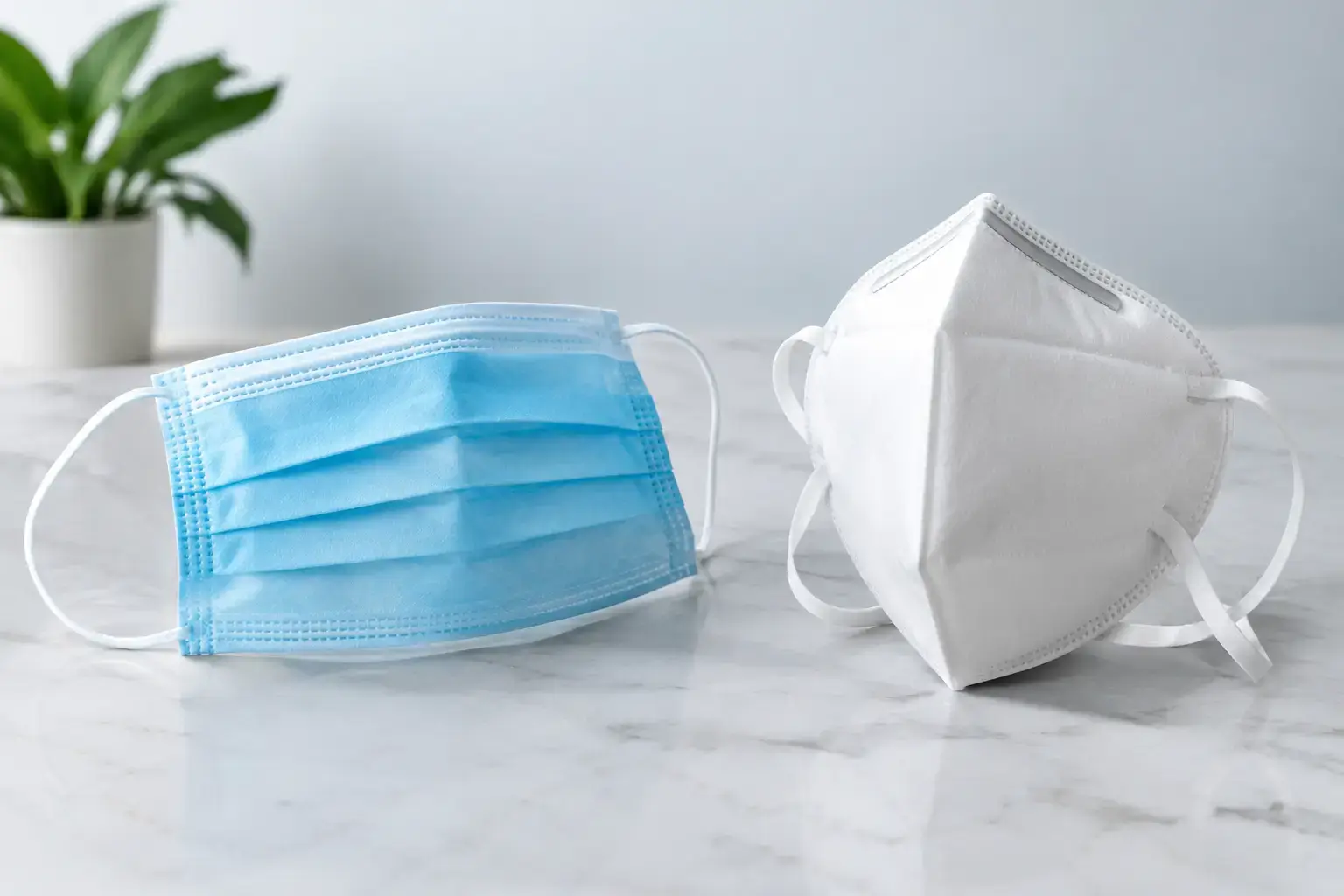
A surgical mask is a loose-fitting medical face covering. It is designed primarily to create a barrier against large respiratory droplets, splashes, and sprays. It also helps reduce the amount of respiratory secretions released by the wearer into the nearby environment. This source-control role is especially useful in patient-facing care, routine examinations, wound care, food preparation, and everyday situations where a clean disposable barrier is appropriate.
A respirator is personal protective equipment designed to reduce the wearer’s exposure to airborne particles when it fits correctly. A common example is an N95 filtering facepiece respirator. Unlike a surgical mask, a respirator is intended to seal closely around the nose and mouth, so inhaled air passes through the filtering material rather than around the edges.
That seal changes the decision. High filtration material cannot deliver its expected protection if air takes the easier path through gaps at the cheeks, nose, or chin. Facial hair, the wrong size, an incorrectly shaped nose clip, and frequent adjustment can all reduce a respirator’s real-world performance.
When a Surgical Mask Is the Practical Choice
Surgical masks are often the more practical option for routine clinical and public-facing work where airborne respiratory protection is not required. They are generally easier to put on and remove, comfortable for shorter tasks, and suitable when fluid resistance or source control is the primary concern.
In a dental office or clinic, for example, the procedure and local infection-control policy should guide selection. A mask with an appropriate fluid-resistance rating may be needed where splashes are expected. ASTM performance levels are commonly used to describe medical mask characteristics such as fluid resistance, filtration, and breathability. Buyers should review the product specification rather than assuming every blue disposable mask provides the same level of protection.
For family caregiving, surgical masks can be useful during close contact when someone has cold or flu symptoms, when assisting with basic care, or when reducing the spread of droplets in shared spaces. They are also a practical addition to home first-aid and preparedness supplies. They should cover both the nose and mouth, fit snugly at the sides, and be replaced if wet, visibly soiled, damaged, or difficult to breathe through.
A surgical mask is not designed to reliably protect the wearer from fine airborne particles. It should not be treated as a substitute for a required respirator during aerosol-generating procedures or other settings where an airborne hazard assessment calls for respiratory protection.
When a Respirator Is Needed
Respirators are used when the concern includes airborne particles, not only droplets and splashes. In healthcare, this can include care situations involving pathogens that spread through the air and procedures that may generate aerosols. Requirements differ by facility, procedure, and local public health guidance, so professional buyers should follow their organization’s infection-control and occupational safety protocols.
An N95 respirator is named for its filtration standard under specific test conditions. The “95” does not mean it blocks 95% of every threat in every situation. It does not replace eye protection, gloves, gowns, ventilation, cleaning practices, or other controls. It also cannot perform as intended without a good fit.
For workplaces with required respirator use, an organized respiratory protection program matters. That may include medical evaluation, fit testing, user seal checks, training, storage, and replacement procedures. A fit test confirms that a particular make, model, style, and size can achieve an acceptable seal for an individual wearer. A quick seal check each time the respirator is worn is still necessary, but it is not the same as formal fit testing.
For individual shoppers, a respirator may make sense for certain crowded indoor settings, travel, or household support when added personal respiratory protection is desired. Comfort remains a real trade-off. A respirator that is too uncomfortable to wear correctly and consistently may not be the best practical choice for every situation.
Fit Is a Feature, Not an Extra
A well-fitting respirator should sit firmly over the nose, mouth, and chin without obvious gaps. Shape matters. Some people get a better seal from a cup-style model, while others prefer a fold-flat or duckbill design. The nose clip should be molded with both hands to follow the bridge of the nose, and straps should sit in their intended position rather than being crossed or loosely tied.
If air is felt leaking around the edges during a seal check, reposition the respirator or try another model. Do not rely on tape as a routine way to correct a poor fit. For workers who must wear respirators as part of their job, select models through the employer’s approved program.
Comparing Protection, Comfort, and Use
The best purchase decision starts with the task. Surgical masks are usually better for routine source control and splash protection. Respirators are selected when a close seal and particle filtration are needed. Neither category is automatically “better” in every setting.
Comfort can favor surgical masks during low-risk, extended front-desk work or caregiving tasks. They tend to feel cooler and are easier to communicate through. Respirators may feel warmer and create more breathing resistance, particularly in humid conditions or during physical work. Yet when airborne protection is necessary, comfort cannot be the only deciding factor.
Communication is another consideration. Both products can muffle speech, but a poorly fitted mask or respirator invites constant touching and adjustment. Selecting a model that stays in place supports better hygiene and more consistent use.
Disposable products are generally intended for limited use. Replace either type when it becomes wet, damaged, contaminated, visibly dirty, or difficult to breathe through. Follow the manufacturer’s instructions and workplace policy for any extended-use or reuse practices. Do not wash standard disposable surgical masks or filtering facepiece respirators unless the manufacturer specifically states that the product is designed for cleaning.
What Professional Buyers Should Check Before Ordering
For recurring procurement, product names alone are not enough. Compare the specification sheet, certification or standard information, packaging quantity, intended use, and availability of the exact model. Consistency matters when a team has been fit tested for a particular respirator or when a clinical department has approved a specific mask performance level.
Before placing a bulk order, review these practical details:
- For surgical masks, check the stated fluid resistance, filtration performance, fastening style, size, and whether the product is intended for medical use.
- For respirators, verify the approval marking, manufacturer, model number, style, and compatibility with your organization’s fit-testing process.
- Check pack size, storage conditions, shelf-life information, and whether stock can support repeat purchasing.
- Purchase through reliable supply channels and be cautious of products making broad protection claims without clear labeling or documentation.
Counterfeit and misleading PPE claims can create serious procurement problems. An N95 designation should be backed by appropriate approval information, not just printed on the product or listed in a marketplace title. Professional purchasers should keep product records and confirm that received items match the approved sample or order specification.
Everyday Use Mistakes to Avoid
Even the right product can be used poorly. Wearing a mask below the nose reduces its value. Touching the front surface repeatedly can transfer contamination to hands. Storing a used disposable mask loose in a pocket, bag, or vehicle makes it harder to keep clean and dry.
Put the mask or respirator on with clean hands, adjust it using the straps or ear loops, and avoid touching the front while wearing it. Remove it by the straps, then clean your hands again. For a disposable item, discard it according to local guidance and workplace procedures.
For households, it helps to keep a small supply in a clean, dry location with other health essentials such as thermometers, gloves, disinfecting supplies, and basic wound-care items. For facilities, clear stock rotation and product labeling make it easier for staff to select the right item without slowing down care.
The most useful PPE choice is the one matched to the actual exposure and worn correctly from start to finish. Keep surgical masks available for routine barrier and source-control needs, and select properly approved, well-fitting respirators when the work or setting calls for airborne particle protection.